
Essential, Furloughed, Fearful for the Future
Written by: Chloe Scott
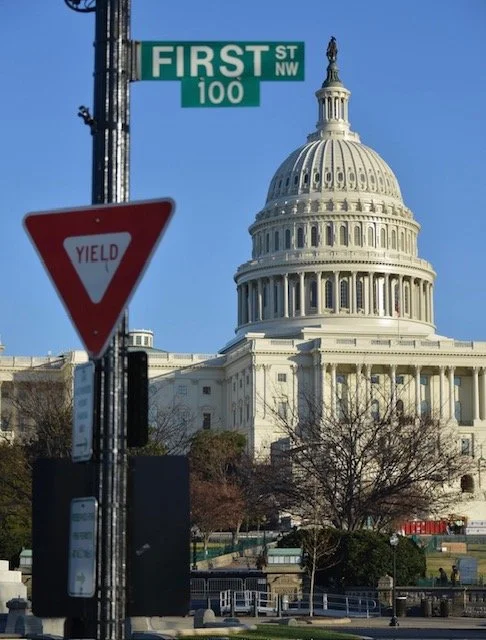
“You’re not only doing your job — you’re doing your job for free, until you’re told otherwise.”
Over 700,000 federal workers have been furloughed and many more are working without pay as the government remains in funding limbo. Driving to work each morning, acting like everything’s normal when, in truth, the paycheck may never arrive. This is the reality for thousands of Americans right now.
Whether you’re Republican or Democrat, urban or rural, the stakes are the same — until Congress comes together and funds the work of government, the people show up, the work gets done, and the pay doesn’t.
I’m not the daughter of wealthy parents. I’m not a public servant with a high salary. I’m a storyteller, a servant-leader, a woman living on her own—paying overpriced rent, prepping meals to save, showing up each day as though everything’s fine. I stand with the more than 700,000 workers who may be missing a paycheck for the first time in their lives.
Inflation is climbing. Bills are due. And fear creeps in. You can’t complete the normal stress cycle when you’re wondering if you’ll get paid. You’re worried. You’re not only doing your job, you’re doing your job for free, until you’re told otherwise.
There’s no grief here—not quite. This is a survival story.
Survival Mode
You focus on how to prepare. You stand in line at the food distribution when you aren’t working for free and on call. You stretch every grocery dollar at budget stores like Aldi. You prioritize rent above everything else because you refuse to risk an eviction notice for the first time.
The consequences of falling behind on rent are severe: eviction increases the likelihood of job loss, health challenges, and further housing instability, according to research from the U.S. Department of Housing and Urban Development. And during a federal shutdown, even participants in housing-assistance programs must still pay their share of rent. For furloughed workers living alone or supporting families, that can mean choosing between groceries and shelter.
Financial precarity for federal employees or anyone living paycheck to paycheck isn’t just a work issue, it’s a housing issue.
According to the National Low Income Housing Coalition, 1 of 5 of renters nationwide have been behind on payments at some point since the pandemic, with low-income households hit hardest.
If there is no money flowing in, what’s the second-best option? So, you start seeking a second job.
You start applying for part-time jobs within twenty minutes of home with hopes that someone will give you a chance, but you’re overqualified, because you have what was supposed to be a “good government job.”
You battle anxiety just from the rigor of your schedule but now the paycheck is gone. If you’re working without pay, can you still show up to the food bank? Will remote work be an option? How are you supposed to keep your head above water when your life depends on a vote that hasn’t happened yet?
And then you do something harder: you stand still. You stare your fears in the face each day and build faith that there will be a way out. You take out a small loan from a federal credit union. You lean into your network—support calls, tap-ins—because sometimes survival depends not on what you know but who you know. You start re-imagining what success looks like after the storm. Yes, over 18% of the labor force is in DC but what industries are beyond? What industries will carry you forward? What transferable skills can help you create stability again?
How Housing Councils and Partners Can Help
At moments like these, the role of housing organizations becomes crucial. Councils, agencies, and community partners can:
Connect furloughed or unpaid workers with short-term rental-assistance programs or flexible payment plans.
Educate renters on what happens if they fall behind—late fees, credit impacts, eviction filings—and link them to housing counselors or legal aid.
Promote financial-wellness tools through trusted partners like federal credit unions or local nonprofits.
Advocate for stronger safety nets, including emergency funds and renter protections for workers caught in political gridlock.
When paychecks stop, rent doesn’t. And that’s where housing advocates, nonprofits, and neighbors must step in to close the gap between policy and people, between waiting and surviving.
Essential, Furloughed, Fearful.
(But still standing)